
Foto: Stroom Den Haag
Stroom Library sessions: TogetherTogether by Carmen Draxler and Stefano Cattani
Collective imagining to expand the realm of the possibleDate: Monday 8 June 2026
Location: Stroom Library, The Hague
Participants: nishiko, Jeremi Biziuk, Renata Miron, Cristina Lavosi, Annechien Meier, Nesie Junyi Wang, and Anabel Pérez Lubián
Below you find a brief report of the session. For the extensive one, please email us via info@stroom.nl
“We invite you to suspend time with us - to discuss methodologies for collective making and imagine art practices beyond the individual, artistic genius.”
This is how the invitation to this year’s third session began, this time from members of the TogetherTogether collective. In their artistic practice, they explore possibilities for imagining a different reality together with others, one that is “hopeful and caring”. Among other projects, like performances and spatial installations, they organize workshops in which participants are invited to find rest and engage in reflection—rather than constantly feeling the pressure to “deliver”- by sharing stories, conversation, and moving together. Carmen: “The body is an important vessel in the way we create knowledge, store it, and pass it on. It’s cool to bring it back into a holistic practice: the collective as a body and the body as a collective.”
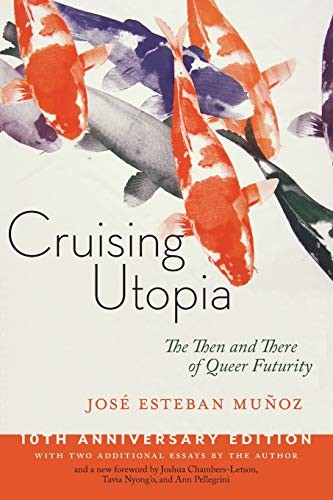
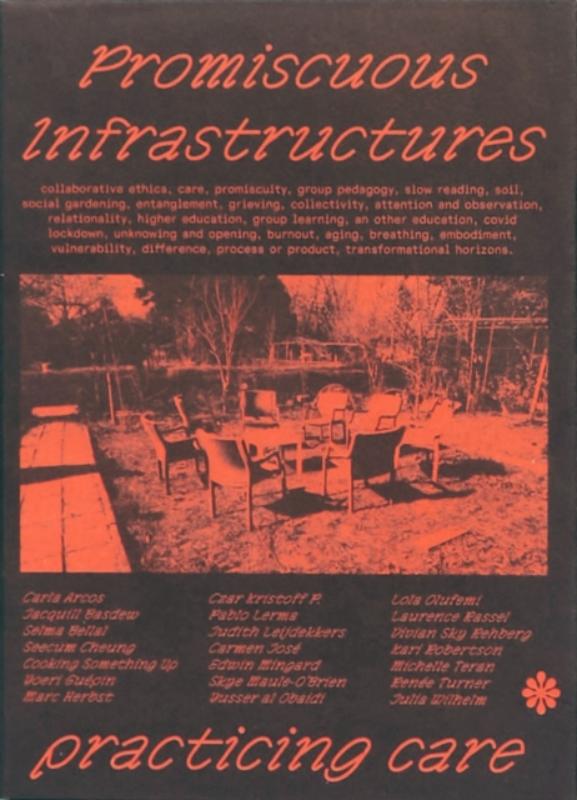
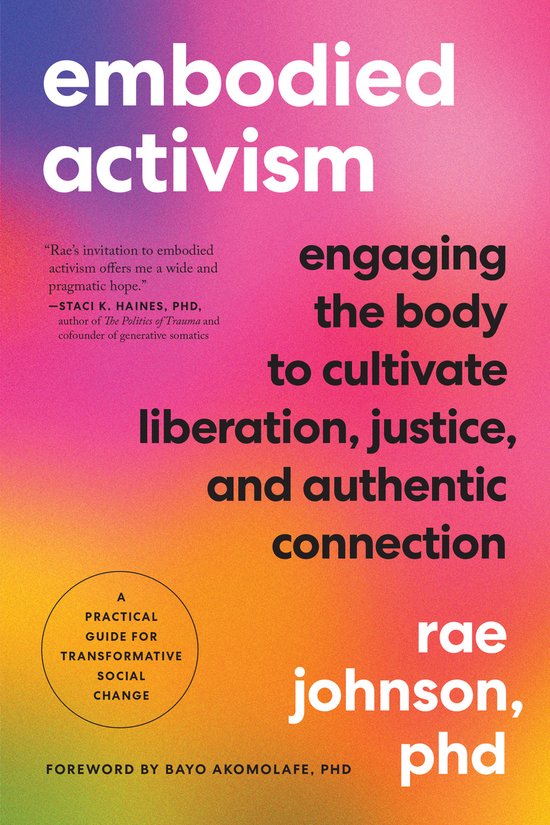
Sources of inspiration for the collective include publications such as How to Land: Finding Ground in an Unstable Ground by choreographer and somatic teacher Ann Cooper Albright, Trans Femme Futures by Mijke van der Drift and Nat Raha, and Sensing Earth: Cultural Quests Across a Heated Globe . The collective’s ‘method of suspension’ is intended not only to offer a break but also explicitly as an “active protest to disrupt the machinery of productivism”. For this reason, the publication Rest and Resistance by Tricia Hersey is also a valuable resource. The members of TogetherTogether have also brought books they have long cherished out of personal interest, and which now take on new meaning within the collective, in part because of the emphasis on storytelling and imagination, as exemplified by Saidiya Hartman and Ursula Le Guin. For Stefano, for example, it was Rachele Borghi’s Decoloniality and Privilege.
The session’s participants also mention books that they find valuable as sources of inspiration and examples of collectivity, such as Octavia Butler’s science fiction novel Mind of My Mind, “about what ways of living together we can realize”, The Brief and Wondrous Life of Oscar Wau by Junot Díaz, and the comic book Dorohedoro, vol. 22 GN Manga by Q Hayashida. Jeremi: “Mass media can create a sense of community.” Carmen asks the participants what appeals to them about the process of co-creation. According to Nesie (Minor Moons), “enjoying the process is the most important thing. If you don’t enjoy collective work, then it doesn’t make sense.”